
Connected data foundations
One record per thing — a product, an asset, a supplier, a project — assembled from every system that holds a piece of it.
Each system is fine. Together they answer nothing.
The information exists. It is in the ERP, the PDM system, the lab system, a vendor database, a file share, and the spreadsheet everyone quietly depends on. Each of those was a reasonable decision at the time, and each holds a fragment that is true. Nothing is broken.
What is missing is the join. Nowhere does one thing exist as one record, so every question about that thing becomes a manual reassembly job — somebody with four windows open, reconciling by hand, hoping the version in front of them is the current one.
We build the join, not another system
We connect the sources you already have. That means integration and cleaning, but above all linking — so that a compound, a machine, a supplier or a part means the same thing in every system that mentions it. We work alongside what you run today rather than asking you to replace it, and we keep the platform current instead of migrating once and calling it finished.
The hard part is not the pipelines. It is deciding what the entities actually are — what counts as one supplier, one machine, one compound — and that takes learning the business rather than reading its schema.
Paying the price you negotiated
The same bolt appears three times in the system under three descriptions, bought from two suppliers at different prices. Price lists arrive as PDFs and spreadsheets and get typed in by hand, so agreed discounts quietly stop being applied. Nobody notices, because nobody can compare across the mess.
What we build: one clean supplier and material record — duplicates merged, price lists loaded automatically, invoice prices checked against contract prices.
What it is worth: the difference between what you agreed to pay and what you actually paid. This is usually found money, and the first analysis tends to cover its own cost.
What an engagement actually contains
- A source inventory and data map — what exists, where, in what shape, and who depends on it.
- Entity resolution: duplicates merged, identifiers reconciled, one record per real-world thing.
- Integration pipelines that keep the platform current — not a one-off migration.
- Linked core entities: products, assets, suppliers, compounds, machines, parts — whatever yours are.
- Documentation your own team can build on without us in the room.
The difference it makes
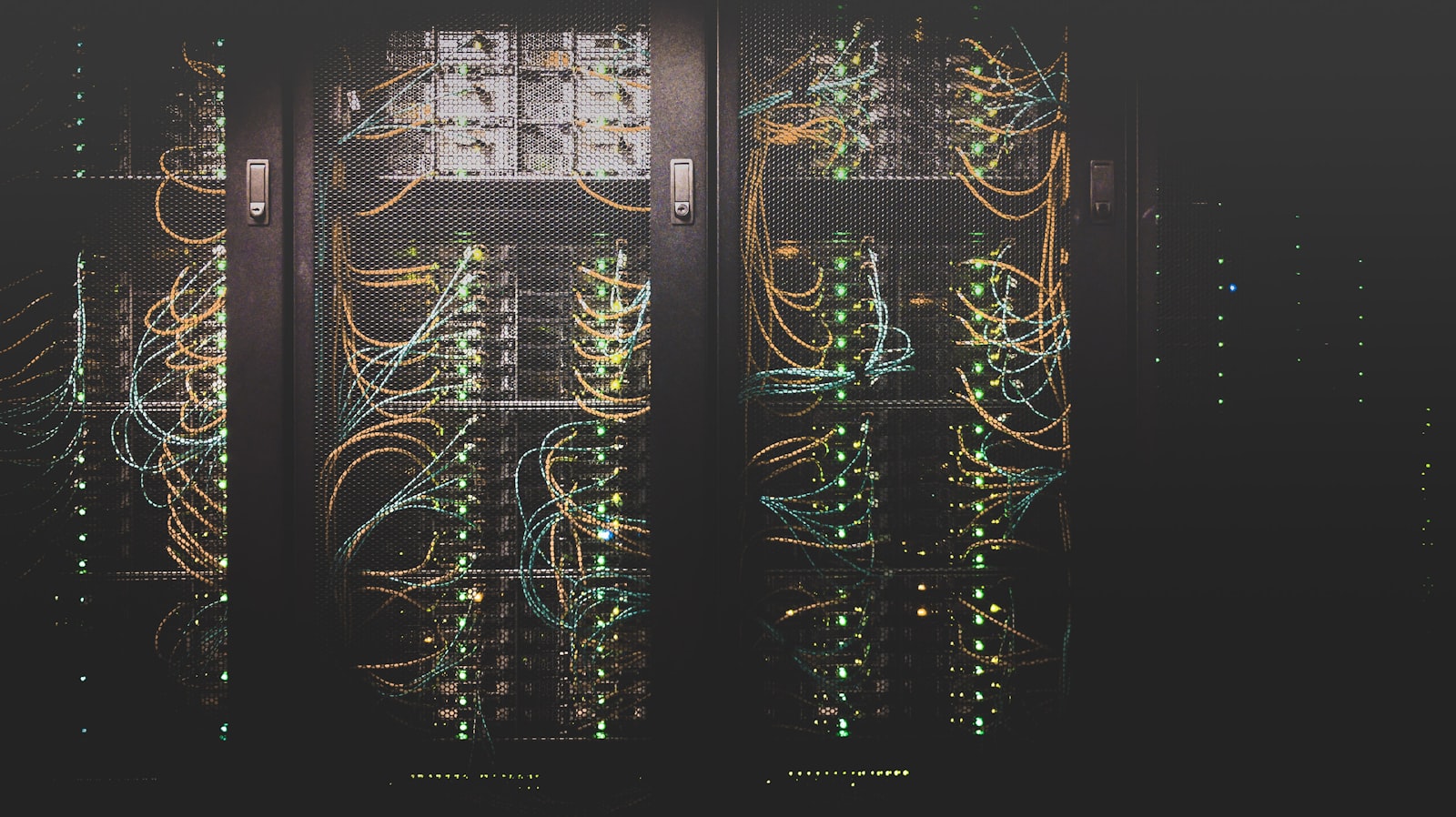
// your data lives in more places than this
- One place to ask about a thing, instead of five systems and a phone call.
- Data that is linked and documented, not merely co-located.
- The foundation that makes answers on your data possible — you cannot ask across sources that were never joined.
Compliance is an architecture decision
We work where traceability matters — GxP environments among them — so the audit trail is part of the first design rather than a phase bolted on at the end. Every derived value carries provenance back to the source it came from, access control mirrors how the organization is actually structured, and change history survives the next migration instead of starting over with it.
Validation is treated as a normal engineering activity, not a document exercise once the software is finished. Retrofitting any of this is what makes these projects fail late, and expensively.
Sound familiar?
Tell us where your data lives today — we will tell you what connecting it would take.
Get in touch